British Sign Language (BSL) uses a two handed fingerspelling alphabet. It is often used to spell names, places and words that do not yet have a recognised sign. Learning the alphabet is one of the first steps many people take when starting to learn BSL.
Below you will find a clear BSL fingerspelling alphabet chart along with guidance on how and when fingerspelling is used.
The BSL Fingerspelling Alphabet
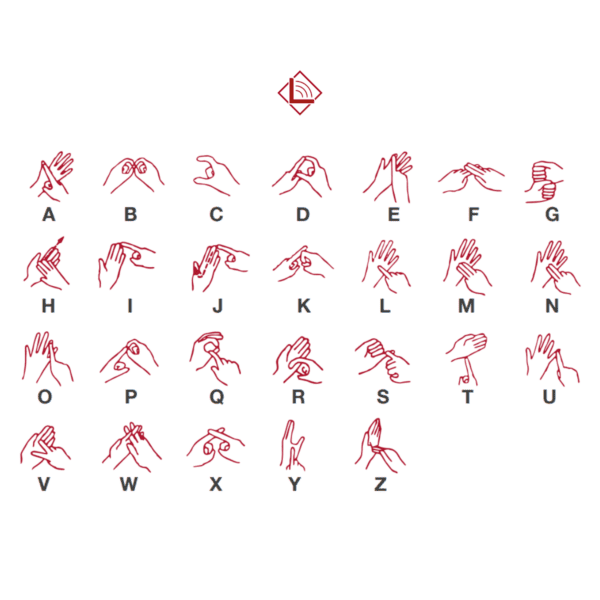
This chart shows the British Sign Language fingerspelling alphabet. Each letter is formed using a specific handshape.
Try fingerspelling your name
A great way to start learning the BSL alphabet is by practising your own name. Many beginners begin by learning the letters they use most often.
Look at the chart above and try spelling:
• your first name
• your surname
• the name of your town or city
With practice, recognising fingerspelling becomes much easier.
When the BSL alphabet is commonly used
The BSL alphabet is not usually used to spell every word in a sentence. Instead, fingerspelling appears naturally within signed conversations and is often blended with other signs.
Names
Fingerspelling is often used to introduce yourself or spell someone’s name.
Places
Town and city names are commonly fingerspelled.
Clarifying words
Fingerspelling can help confirm or clarify a word during conversation.
Specialist terms
Specialist or unfamiliar vocabulary may be spelled.
BSL alphabet and communication access
Understanding the BSL alphabet can help hearing people begin engaging with deaf colleagues, clients and students.
Even basic knowledge can support:
• introductions and name spelling
• building confidence in communication
• greater awareness of how BSL works as a language
Learning a few letters can be a small but meaningful step towards more accessible communication.
Want to learn more about communication access?
British Sign Language is just one way that communication can be made accessible but it’s important to remember that not all deaf people use BSL. In workplaces, education and events, deaf people may also use:
• lipspeakers
• BSL interpreters
• speech to text reporters
• note takers
Understanding these options helps to create more inclusive environments.
Interested in learning more about deaf awareness?
The BSL alphabet is the British Sign Language fingerspelling alphabet. It uses two hands to represent each letter of the alphabet and is often used to spell names, places and words.
Learning the alphabet is a simple first step into British Sign Language. It can help you recognise names, introduce yourself, and better understand how fingerspelling appears in real conversations.
No. Fingerspelling is not usually used for every word. It is often used for names, places, brands, technical terms, or words that do not have a commonly used sign.
No. Sign languages vary from country to country. The British Sign Language alphabet is different from the alphabets used in many other sign languages.
Start by learning a few letters at a time. Many people begin with the letters in their own name. Practising little and often can help you recognise and remember the handshapes more easily.
That depends on the person, but many beginners can learn a good number of letters quite quickly with regular practice. Becoming confident at recognising fingerspelling in real conversation usually takes longer.
Not necessarily, but it is often one of the best and easiest places to begin. It can help build confidence while you start to learn more signs and understand how BSL works.