
Train to become a qualified lipspeaker
Lipspeaking is a specialist communication skill. It supports deaf, deafened, and hard of hearing people who use lipreading to access spoken communication.
At Lipspeaker UK, we are nationally recognised for our expertise in lipspeaking. We have delivered multiple Signature-accredited training courses.
The interest list for upcoming course has now been closed.
What is lipspeaker training?
Lipspeaker training is delivered through a Level 3 qualification accredited by Signature. This courses are designed to develop the technical, linguistic, and professional skills required to work in real communication settings.
Training typically includes:
- Clear speech production and articulation
- Understanding how people lipread, including common challenges such as homophenes
- Adapting communication for different environments and individuals
- Ethics, boundaries, and professional practice
- Working alongside other communication professionals
Lipspeaking is not simply “speaking clearly”. It is a structured, trained skill that takes time to develop and practise.
Why become a lipspeaker?
Lipspeaking is a specialist communication profession that makes a direct difference to people’s access to everyday life.
As a lipspeaker, you support deaf, deafened, and hard of hearing people to follow conversations, meetings, education, and events through lipreading.
This is a role that requires skill, focus, and responsibility, but it is also highly rewarding. You may choose to train as a lipspeaker if you are looking for:
- A meaningful role that supports access and inclusion
- Flexible working opportunities across different sectors
- A specialist communication skill that is in demand
- Work that involves real-time interaction and problem solving
Lipspeakers work in a wide range of settings, including workplaces, universities, healthcare environments, and public events.
As part of the wider communication support profession, lipspeaking sits alongside services such as British Sign Language interpreting and speech-to-text reporting.
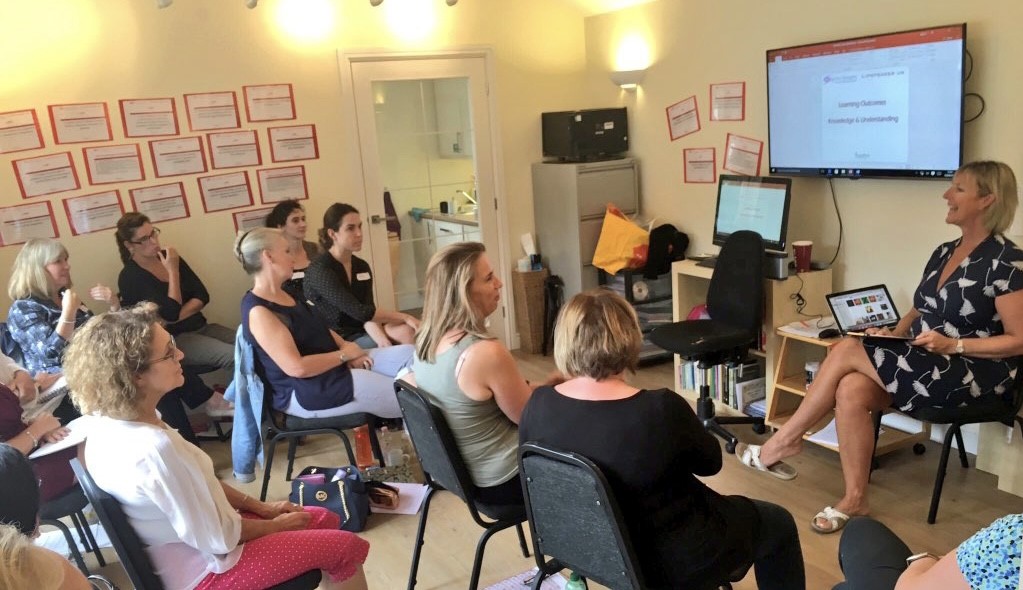
Our interest list is now closed.
BSL & Lipspeaker video versions of the page
Why is lipspeaking a specialist skill?
Lipreading relies on visual information. Many sounds look the same on the lips, and meaning is often filled in using context, language knowledge, and prediction.
A qualified lipspeaker is trained to:
- Shape speech for visual clarity without distorting meaning
- Use natural rhythm and phrasing to support understanding
- Manage pace and positioning in live environments
- Respond to breakdowns in communication in real time
Some lipspeakers also offer signed lipspeaking (also known as lipspeaking with additional sign), which can provide further visual support depending on the person’s preferences.
What qualification do you need to work as a lipspeaker?
To practise professionally, lipspeakers are required to complete a Signature-accredited qualification and must also register with a recognised professional body such as:
Registration helps ensure that professionals meet national standards for training, ethics, and ongoing development.
Is Lipspeaking for you?
You may be suited to lipspeaker training if you:
- Have clear and natural spoken English
- Have strong listening and concentration skills
- Are confident communicating in real time
- Have an expressive and visible communication style
- Are interested in accessibility and communication support
Because lipspeaking relies on visual communication, clarity of speech and presentation are essential.
This course is designed to support you from initial training through to professional practice, with a clear pathway towards registration.
How the course is delivered
Our lipspeaker training programme is delivered predominantly online, making it accessible to learners across the UK.
The course is broken down into two parts. The first is a mandatory module to prepare you for working with deaf and deafblind people. This is a requirement from the awarding body, Signature. The second is the specialist lipspeaking stream and uses a blended learning approach, including:
- Live online teaching sessions
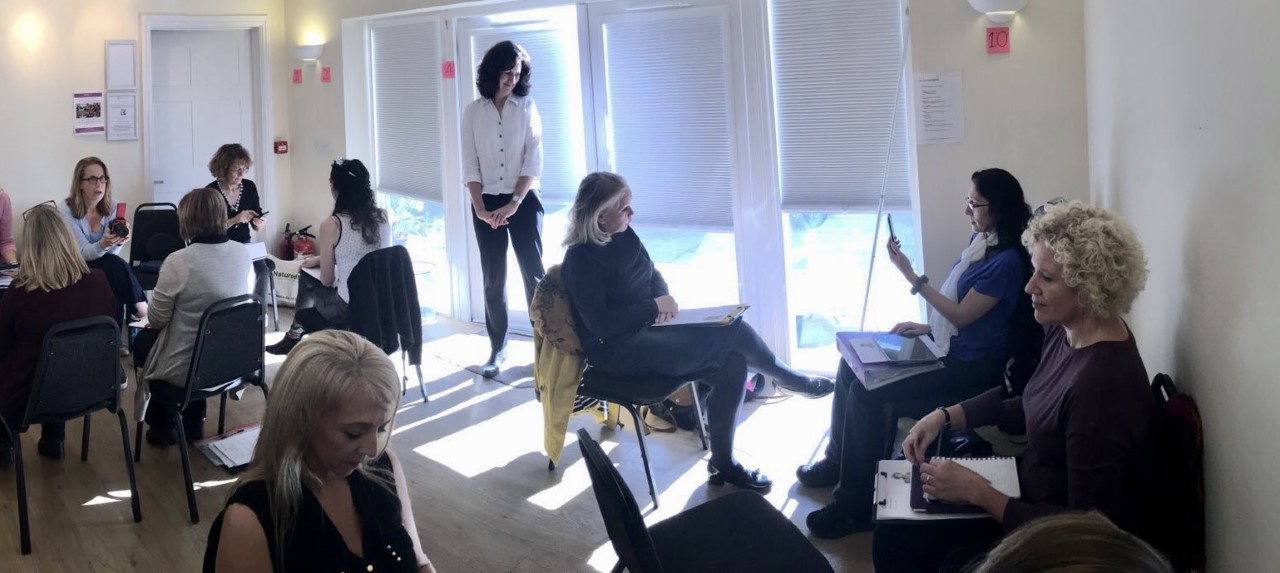
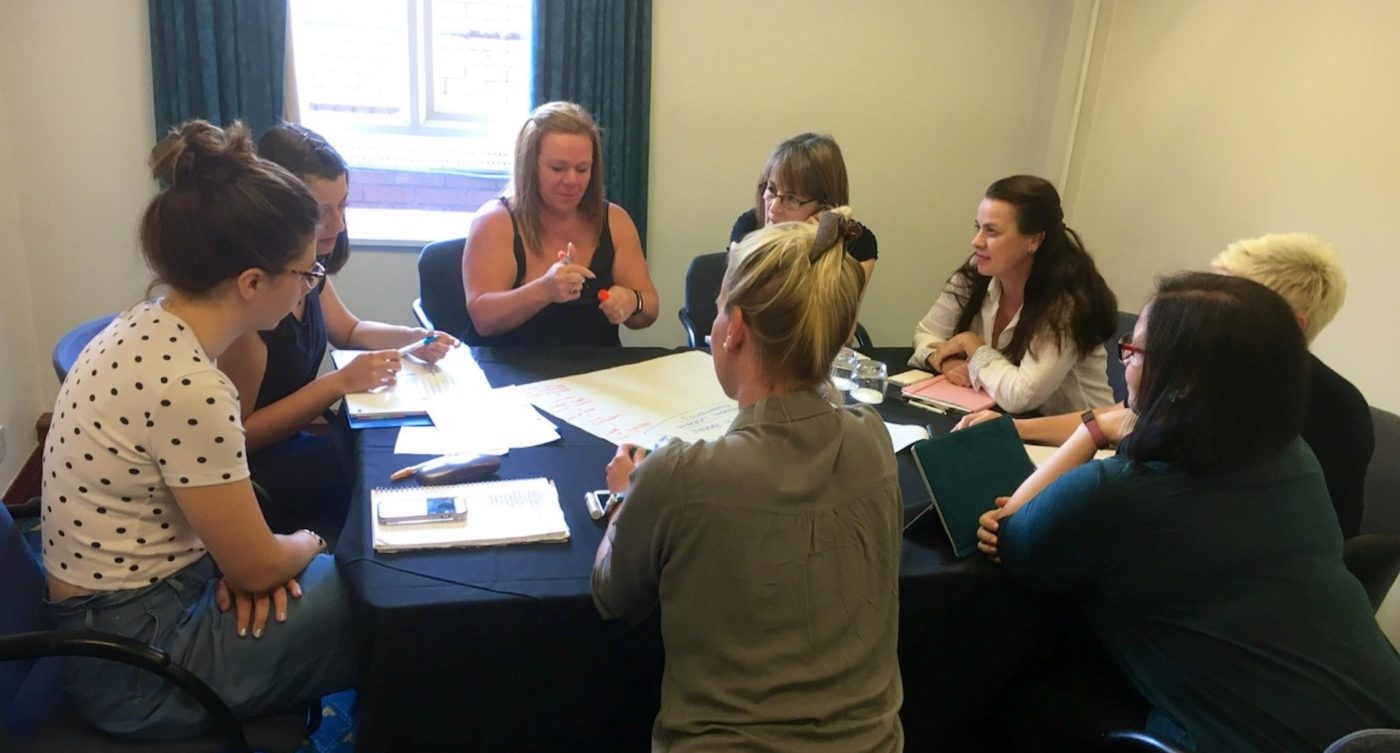
- Practical group work and skills development
- Guided home study
- Ongoing feedback and assessment
The programme is designed to ensure you develop practical, real-time communication skills. You will be supported throughout to build accuracy, consistency, and confidence.
Register your interest in lipspeaker training
Frequently asked questions
Still have questions about lipspeaker training?
These answers cover the most common things people ask before applying.
You will need to complete a recognised qualification, typically accredited by Signature, and develop the practical skills required to support lipreading in real-life settings.
Lipspeaker training is not widely available and courses run infrequently.
At Lipspeaker UK, we are preparing for future training and currently operating an interest list.
Our course fees for 2027 are £2700 + VAT.
You do not need formal experience in communication support to apply but you should have clear spoken English and strong listening skills.
Most learners complete training within 12 to 18 months.
Yes. Our lipspeaker training is delivered predominantly online, with live teaching sessions, practical group work, and guided home study. As lipspeaking is a practical skill, you will take part in interactive sessions and assessments to ensure you can apply your skills in real-life situations.